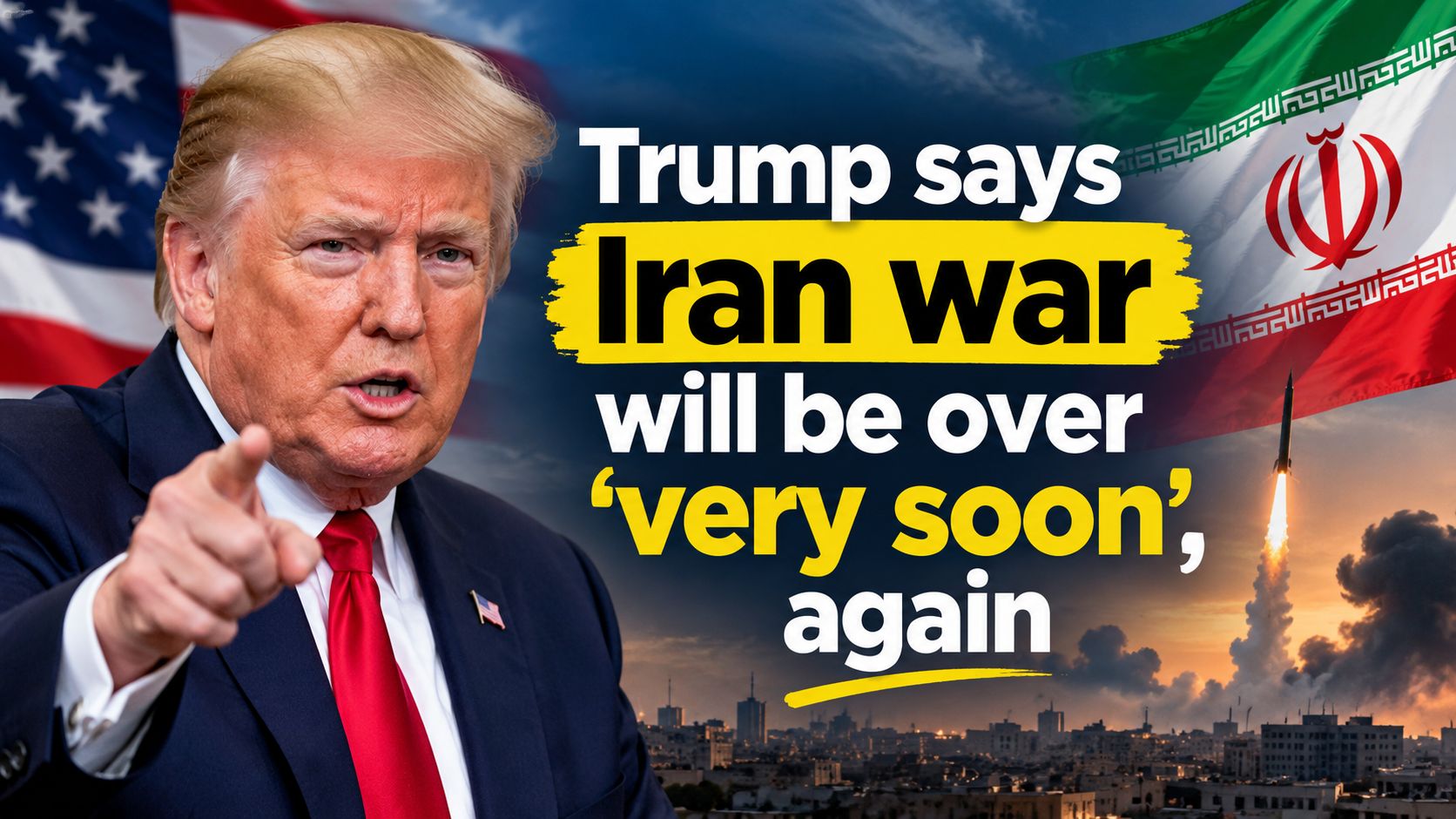
Trump Says Iran War Will End Very Soon Again: What It Means for Global Markets
Over twenty percent of global petroleum supplies pass through the narrow waters of the Persian Gulf every single day. Any sudden military escalation or peace announcement instantly moves fuel prices and international stock markets. When Donald Trump stated that the conflict with Iran would conclude very soon, international observers paid close attention. The statement brings both hope for lower energy costs and questions about how such a rapid resolution could actually occur.
Public statements about rapid conflict resolution shape public debates and consumer expectations. Everyday citizens want to know how these political promises affect fuel costs, inflation rates, and overseas military commitments. Analyzing the facts behind these statements helps you understand what is happening behind the scenes. This complete breakdown explores the background of these claims, the economic effects, and the diplomatic hurdles that remain.
What Was Stated About the Iran Conflict?
During recent public appearances, Donald Trump repeated his strong belief that tensions between the United States and Iran can be settled quickly. He pointed to his personal negotiation methods and past foreign policy actions as evidence that a fast deal is achievable. His supporters view these remarks as a direct promise of peace through strength and decisive leadership. Critics argue that regional conflicts involve deep historical grievances that cannot disappear overnight.
The core of the message suggests that direct pressure and economic incentives can bring foreign leaders to the bargaining table rapidly. Trump stated that new negotiations would prevent long military standoffs and restore stability across the Middle East. Similar statements have been made regarding other global conflicts over recent campaign cycles. These remarks aim to reassure voters that prolonged foreign interventions can be avoided entirely.
Political speeches often use strong, optimistic timelines to project confidence and strength. Observers must examine both the public words and the concrete diplomatic steps required to achieve such outcomes. Resolving long standing disputes between major nations requires structured negotiations and binding agreements. Looking at the underlying issues reveals why a quick resolution remains a significant challenge.
Why Swift Conflict Resolution Appeals to Citizens
American households have watched trillions of tax dollars go toward overseas military operations over the past several decades. Working families prefer to see public resources spent on domestic priorities like roads, schools, and healthcare. Promising a swift end to foreign disputes connects directly with citizens who want lower government spending. Ending military tensions also reduces the risk of deployment for service members and their families.
Energy stability is another direct benefit that appeals to consumers everywhere. When military threats escalate in the Middle East, gasoline prices at local fuel pumps rise within days. Higher fuel prices increase transportation costs for groceries, retail goods, and daily commutes. A credible promise of regional peace offers the potential for lower utility bills and cheaper consumer goods.
Predictable international relations also help businesses plan their hiring and investment decisions with greater confidence. Companies hesitate to expand or build international supply chains when war risks are high. When political leaders promise quick resolutions, business confidence often experiences a temporary boost. A peaceful global market creates better job opportunities and steadier economic growth.
The Core Issues Driving US and Iran Tensions
Nuclear development remains the central point of dispute between Washington and Tehran. International nuclear inspectors continue to monitor uranium enrichment sites located across the Iranian countryside. Western governments demand strict limits on enrichment levels to prevent the creation of nuclear weapons. Iranian leaders maintain that their nuclear program exists solely for civilian power generation and medical research.
Economic sanctions represent another major issue that must be addressed in any potential deal. Decades of financial penalties have restricted Iranian oil exports and frozen billions of dollars in foreign bank assets. These economic restrictions have contributed to high domestic inflation and currency devaluation inside Iran. Lifting sanctions is the primary concession that Iranian negotiators demand before signing any formal agreements.
Regional security alliances further complicate bilateral discussions between the two nations. Defense partnerships across the Persian Gulf rely on American naval patrols to keep shipping lanes open. Disagreements over regional influence and missile defense systems continue to create friction between neighboring states. Any lasting peace agreement must address these security concerns to satisfy all parties involved.
Comparing Diplomatic Paths with Military Deterrence
Evaluating foreign policy options requires looking at the strengths and drawbacks of each approach. The table below outlines how common diplomatic and military strategies compare in daily practice.
| Policy Strategy | Primary Goal | Main Advantage | Key Challenge |
|---|---|---|---|
| Direct Bilateral Talks | Negotiate formal treaties | High potential for lasting peace | Requires major concessions from both sides |
| Maximum Economic Sanctions | Restrict government revenue | Applies pressure without direct combat | Causes economic hardship for everyday citizens |
| Naval and Military Deterrence | Protect commercial shipping | Prevents immediate regional attacks | Carries high financial and operational costs |
| Multilateral Nuclear Pacts | Establish global oversight | Involves international support partners | Difficult to enforce when political leaders change |
How Global Oil Markets React to Peace Promises
Global energy markets respond instantly to political rhetoric concerning Persian Gulf security. Oil traders buy and sell petroleum futures contracts based on the perceived risk of supply interruptions. When Trump says Iran war will end very soon again, market analysts watch for actual policy shifts. Speculation alone can cause crude oil prices to fluctuate by several dollars per barrel in a single afternoon.
The Strait of Hormuz is the most critical maritime checkpoint for petroleum transport on the planet. Tankers carrying millions of barrels of crude oil pass through this narrow waterway every single hour. Any military clash in these waters threatens to trap oil tankers and cause global supply shortages. A verified peace agreement would remove this risk and stabilize international fuel markets permanently.
Lower oil prices directly benefit everyday consumers by reducing daily transportation expenses. Airline ticket prices, shipping fees, and home heating costs all drop when crude oil becomes cheaper. However, sustained price drops require verified diplomatic agreements rather than informal political promises. Traders wait for formal treaties before making long term pricing adjustments.
The Role of International Allies and Global Powers
European leaders have consistently supported structured diplomatic discussions with Iranian officials. Britain, France, and Germany participated in previous nuclear accords and continue to advocate for international oversight. European capitals worry that sudden military escalation could trigger fresh refugee movements and trade disruptions. Coordinated action between the United States and European allies remains essential for enforcing any future agreement.
Regional powers in the Middle East have their own distinct security priorities. Gulf nations desire stable maritime borders so they can expand tourism, real estate, and financial services. Many regional governments have opened direct communication channels with Tehran to reduce local tensions. A comprehensive peace framework must protect the security interests of these neighboring states to remain effective.
China and Russia also play significant roles in the geopolitical balance across the region. China is the largest buyer of Iranian crude oil and invests heavily in regional infrastructure projects. Russia maintains defense cooperation agreements with Tehran that influence military calculations. Any diplomatic deal negotiated by Washington must account for the influence of these competing global powers.
The Practical Steps Required to Finalize a Peace Deal
Drafting a binding international agreement is a slow process that requires hundreds of hours of technical meetings. Diplomatic delegations must define exact verification rules, inspection schedules, and compliance milestones. Legal experts from both nations must draft precise contractual language to avoid future misunderstandings. These technical details take months or even years to negotiate properly.
Nuclear scientists and international monitoring agencies must establish reliable inspection protocols. Independent inspectors need physical access to research labs, centrifuge halls, and storage facilities. Verifying that enrichment levels stay within agreed boundaries requires specialized equipment and continuous monitoring. Without verifiable inspection rules, no international agreement can survive.
Financial institutions also require clear legal guidelines before resuming trade with previously sanctioned entities. International banks will not process commercial payments until government regulators issue formal compliance licenses. Unwinding complex financial sanctions takes considerable time and administrative coordination. Real world implementation always moves slower than political speech timelines suggest.
Historical Precedents of Rapid Foreign Policy Claims
Political leaders throughout modern history have promised quick solutions to complex overseas conflicts. Campaign speeches frequently feature bold timelines designed to show decisiveness and strength. Candidates often pledge to end wars within twenty four hours or immediately upon taking office. Comparing past campaign promises with historical outcomes provides valuable perspective for voters.
The reality of international relations shows that resolving entrenched disputes takes sustained effort. The Korean War armistice required two years of continuous negotiations before fighting paused. The original Iran nuclear agreement took nearly two years of direct diplomatic talks among multiple world powers. Even when political will exists, the practical mechanics of peace require patience and compromise.
Recognizing the difference between political posturing and formal statecraft helps citizens evaluate current news events. Bold statements can serve as opening negotiation tactics designed to test the reactions of foreign rivals. Leaders use public pressure to encourage adversaries to reconsider their defensive positions. Understanding this tactical strategy keeps you from being surprised when timelines stretch out.
Domestic Political Reactions in the United States
Foreign policy statements regarding Iran trigger immediate debate across the political spectrum in Washington. Supporters of a direct negotiation strategy argue that past military interventions in the Middle East failed to deliver stability. They believe that direct leadership and economic deals offer the only realistic path forward. This viewpoint emphasizes commercial partnerships and rapid conflict de escalation.
Other lawmakers on Capitol Hill advocate for maintaining maximum economic and military pressure against Tehran. They argue that offering concessions or rushing into agreements rewards aggressive behavior. These officials insist that strict deterrence is the only reliable way to protect national security interests. Disagreements within Congress shape how quickly any administration can enact lasting foreign policy changes.
Public opinion polls show that a large majority of Americans favor diplomatic solutions over military action. Citizens prefer policies that protect international commerce without risking troop deployments. These voter preferences place pressure on elected leaders to emphasize peaceful resolutions during election cycles. Public sentiment remains a powerful force in shaping foreign policy announcements.
The Perspective from Tehran and Regional Media
State media outlets inside Iran report carefully on statements made by American political figures. Iranian officials often balance firm rhetoric with subtle signals about their willingness to negotiate. The domestic economy inside Iran faces severe pressure from ongoing currency inflation and high unemployment. These economic realities give Iranian leaders strong incentives to consider sanction relief proposals.
Public opinion within Iran is also divided regarding international diplomacy. Many younger citizens and business owners desire closer economic ties with the global economy. At the same time, hardline political groups remain skeptical of Western intentions and resist foreign concessions. Navigating these internal political dynamics is necessary for Iranian leaders during any negotiation process.
Regional news networks across the Arab world analyze American political statements with great interest. Commentators debate whether new diplomatic proposals will lead to genuine peace or fresh regional competition. Stable commercial relations across the Gulf provide the foundation for regional economic development. Local leaders welcome any policy that prevents armed conflict in their shared waters.
How Everyday Citizens Can Stay Accurately Informed
Tracking international news requires relying on verified reporting and factual primary sources. Social media platforms are filled with sensational headlines, speculative rumors, and misleading claims. Following established international news desks and official government releases gives you a clearer view of events. Verifying information across multiple independent outlets protects you from political spin.
- Check official statements released by the State Department and international monitoring agencies.
- Follow reports from non partisan foreign policy research organizations and economic institutions.
- Watch energy market indicators and commercial shipping rates to see how businesses react.
- Distinguish between campaign trail speeches and official bilateral diplomatic meetings.
Staying informed about international developments helps you make smart financial choices for your household. Energy price trends affect your vehicle fuel budget, home utility bills, and grocery spending. Understanding the reality behind political headlines allows you to plan your household finances with clarity. Knowledge is your best tool for managing economic changes.
What a Successful Resolution Would Look Like
A genuine peace agreement between the United States and Iran would transform the geopolitical landscape of the Middle East. Verifiable nuclear limits would remove the immediate threat of regional military escalation. The lifting of trade sanctions would allow international companies to invest in civilian infrastructure and energy production. Open shipping lanes would guarantee the uninterrupted flow of global commerce.
Regional security dialogues would replace armed standoffs across maritime waterways. Neighboring countries could collaborate on water conservation, clean energy projects, and commercial transportation networks. Removing war risks would encourage international tourism and foreign capital investment across the Gulf. These positive outcomes explain why political leaders continue to pursue peaceful solutions.
Achieving this vision requires patience, rigorous verification, and mutual concessions from all governments involved. While public statements that the war will end very soon create optimism, the diplomatic work must still be completed. Citizens should support constructive diplomatic efforts while maintaining realistic expectations about the timeline required. Real peace is built through careful negotiation and lasting commitments.
Summary and Call to Action
Donald Trump has once again asserted that the conflict with Iran will reach a conclusion very soon. While rapid peace is an appealing prospect that promises lower fuel costs and economic stability, the underlying issues remain complex. Nuclear enrichment questions, economic sanctions, and regional security alliances require detailed negotiation and verifiable enforcement. Understanding both the political context and the technical realities gives you an honest perspective on current foreign policy headlines.
Stay proactive as international events develop across the globe. Monitor credible news sources, track global energy trends, and watch for verified diplomatic milestones between world leaders. Share this informative guide with friends and colleagues to help them make sense of current international news. Keep learning about global foreign policy to stay ahead of the economic trends that affect your daily life.
About the Author