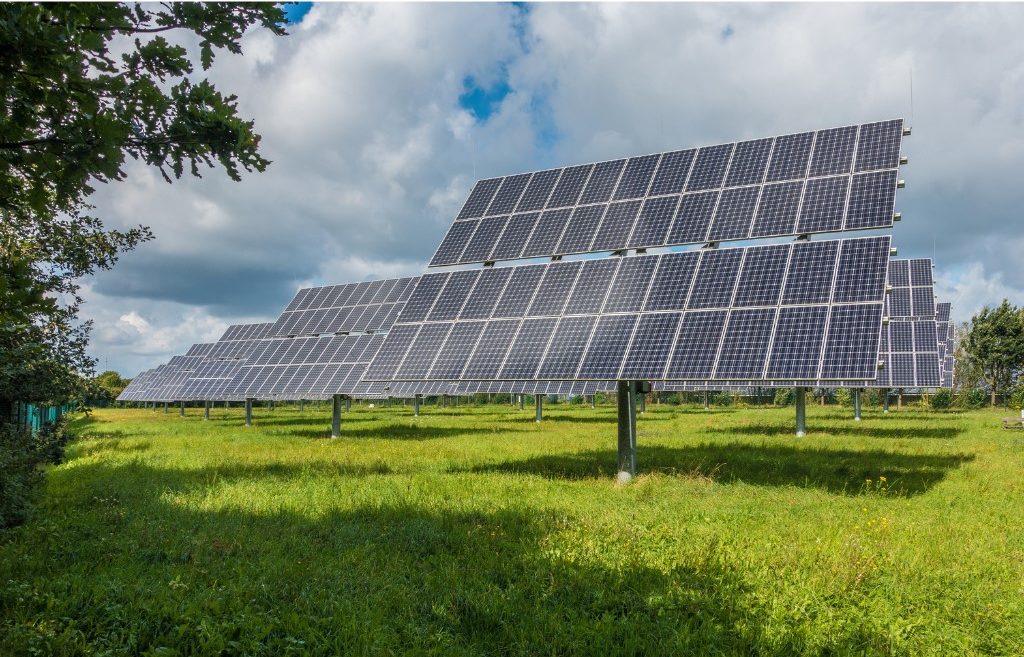
Solar Panel Tea’s Passage: Brewing Sustainability
There is a quiet revolution brewing in the world’s tea gardens. It isn’t a new hybrid leaf or a trendy fermentation technique; it is the soft, silent hum of photovoltaic cells soaking up the sun.
For centuries, the journey of tea—from the misty highlands of Darjeeling to the clay mug in your hands—has been defined by tradition. Yet, as the climate crisis threatens the very existence of traditional tea-growing regions, the industry is facing an uncomfortable truth: the morning cup of comfort has a significant carbon footprint. In response, a growing movement is emerging under the banner of “Solar Panel Tea.”
This isn’t just about installing panels on a factory roof. It represents a fundamental shift in how we process, value, and consume the world’s second-most-popular beverage.
The Challenge: The Carbon-Intensive Leaf
To understand the necessity of solar tea, one must first understand the traditional production process. After tea leaves are plucked—often by hand—they must be processed within hours to prevent oxidation.
In orthodox tea manufacturing, this involves a linear sequence of withering, rolling, fermenting, and drying. The final stage, firing (or drying), is particularly energy-intensive. Traditionally, this energy came from burning firewood, coal, or diesel.
According to the Food and Agriculture Organization (FAO), the production of one kilogram of black tea can result in the emission of up to 13 kilograms of CO2 equivalent, with energy consumption in factories accounting for a massive portion of that total. In an era where consumers are increasingly scrutinizing the ethical and environmental credentials of their purchases, this model is becoming unsustainable.
The Rise of the Photovoltaic Plantation
The passage toward sustainability is being paved with silicon wafers. Across major tea-producing nations—India, Sri Lanka, Kenya, and China—estates are beginning to pivot toward solar power.
In the Assam Valley, a region notorious for its humid heat and monsoon rains, several forward-thinking “bought-leaf” factories (factories that purchase raw leaf from smallholder farmers) have turned to solar. By covering their sprawling rooftops with panels, these factories are offsetting up to 40% of their grid electricity consumption during peak production seasons.
But the innovation doesn’t stop at the factory gate. The concept of “agrivoltaics”—the simultaneous use of land for both solar panels and agriculture—is beginning to take root in tea cultivation.
Agrivoltaics in the Tea Garden
Tea is a shade-tolerant crop. Historically, estates planted “shade trees” like silver oak or albizia to protect the delicate camellia sinensis bushes from scorching sun and to fix nitrogen in the soil.
Solar panels can serve a similar function. Researchers in Japan and India are currently experimenting with elevated solar arrays installed above tea fields. The panels act as a protective canopy, reducing evapotranspiration (thereby conserving water) and protecting the leaves from heat stress—a growing concern as global temperatures rise. For the estate owner, this dual-purpose land use doubles the economic output of the acreage without sacrificing crop yield.
The Brew: A Different Kind of Flavor Profile
Does solar energy change the taste of the tea? Technically, no—the leaf itself remains the same. However, the stability of processing does affect flavor.
One of the most significant advantages of solar-powered tea factories is the consistency of the “wither.” Traditionally, withering (the process of reducing moisture content in fresh leaves) relies on ambient air and diesel-fired fans. If the power grid fails—a common occurrence in rural regions—the withering process stops, leading to inconsistent oxidation and a subpar cup.
Solar-powered systems, particularly those paired with battery storage, ensure that fans run consistently and drying machines maintain precise temperatures. The result is a cleaner, more consistent liquor. Producers often describe solar-fired tea as having a “cleaner” finish, free from the faint smoky notes that can sometimes result from diesel or wood-fired drying.
Certifying the Sun: The Rise of “Solar-Dried” Labels
As with organic and fair-trade certifications, the industry is beginning to explore labeling that recognizes renewable energy use.
While there is currently no universal “Solar Certified” standard for tea, niche players are capitalizing on the trend. Specialty tea vendors in the United States and Europe are beginning to market “Solar-Dried Orthodox Teas” at a premium price point. For these vendors, the story of the solar panel is as compelling as the story of the terroir.
This shift appeals to the “climate-conscious consumer”—a demographic that is willing to pay more for products that align with their values. For tea growers, the initial capital expenditure for solar panels is high, but the long-term elimination of fuel costs, combined with the ability to charge a premium for “green tea” (pun intended), is making the business case irresistible.
The Challenges Ahead
Despite the promise, the passage is not without obstacles. Tea is often grown in regions with high humidity and significant monsoon cloud cover, which reduces solar efficiency for months at a time. This necessitates expensive battery storage systems to ensure night-time processing capabilities.
Furthermore, many historic tea factories are heritage structures with roofs that are not structurally equipped to bear the weight of modern solar arrays. Retrofitting these colonial-era buildings requires significant engineering investment.
There is also the socio-economic factor. In regions like Kenya and Malawi, where tea factories are community-owned, switching from biomass (wood) to solar can have unintended consequences. Burning wood from sustainable plantations has historically provided income for local communities; a sudden shift to solar, while beneficial for the climate, requires careful management to ensure local livelihoods are not disrupted.
A Sustainable Future in Every Cup
The passage of solar panel tea is about more than kilowatts and carbon credits. It is about the survival of a culture.
Tea is a beverage defined by its geography. Rising temperatures, erratic rainfall, and climbing energy costs are threatening to push the global tea belt into crisis. By embracing solar energy, the industry is not just reducing its carbon footprint; it is investing in resilience.
About the Author