Plumeria: The Fragrant Jewel of Tropical Gardens
Plumeria, often known as frangipani, is a genus of flowering plants that has captured the hearts of gardeners, landscapers, and nature enthusiasts around the world. Native to Central America, the Caribbean, and parts of South America, these plants are celebrated for their captivating beauty, intoxicating fragrance, and symbolic significance in many cultures.
Botanical Overview
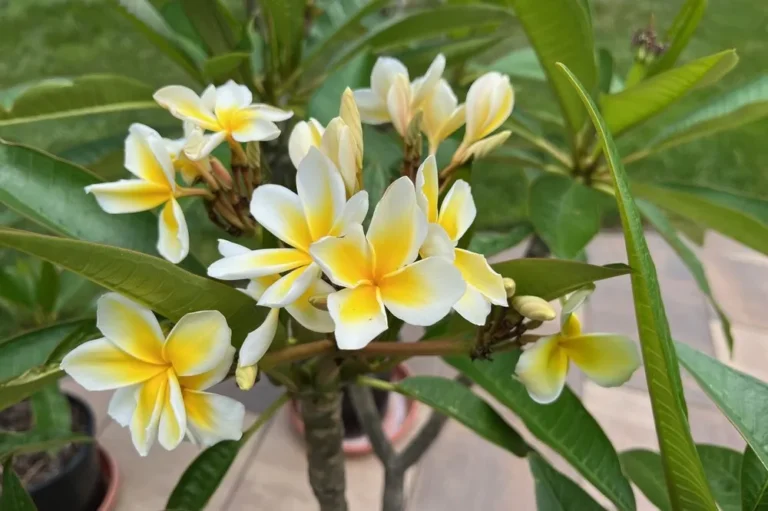
Plumeria belongs to the family Apocynaceae and includes around 8–12 species, though countless hybrids and cultivars have been developed. Typically, these plants are small trees or shrubs, growing up to 6–8 meters in height. Their branches are thick and succulent, storing water to survive in dry conditions, and their leaves are large, glossy, and oblong, providing a lush backdrop to their stunning blooms.
The Flowers
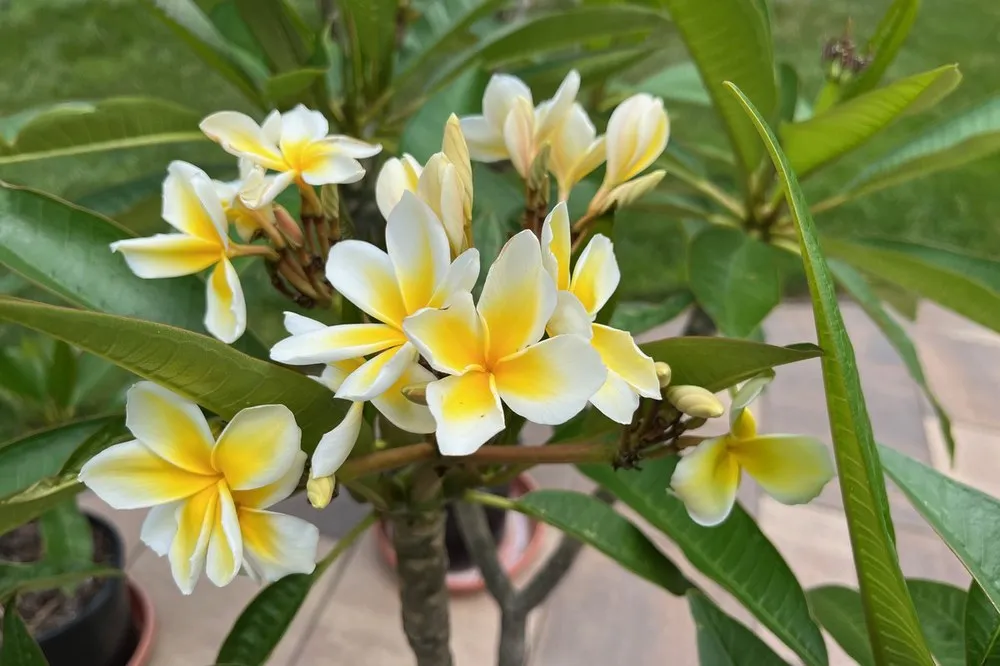
Plumeria flowers are the plant’s most alluring feature. They come in a kaleidoscope of colors, including white, yellow, pink, red, and multi-colored variations. Each flower consists of five petals that often curl backward, creating a star-like appearance. One of the most distinctive characteristics of plumeria blooms is their fragrance, which ranges from sweet and citrusy to spicy and floral, particularly strong in the evenings to attract pollinating moths.
The flowering season typically spans from spring to fall, depending on the climate, with tropical regions allowing nearly year-round blooms. Because the flowers are so long-lasting when cut, they are commonly used in leis in Hawaii and garlands in other tropical cultures.
Cultivation and Care
Plumeria is a hardy plant but thrives under certain conditions:
- Sunlight: Full sun is essential for optimal flowering.
- Soil: Well-draining soil is critical to prevent root rot. Sandy or loamy soil with good organic matter is ideal.
- Watering: Moderate watering is required during the growing season; during dormancy, watering should be minimal.
- Temperature: Plumeria prefers warm climates and cannot tolerate frost. In colder regions, they are often grown in pots and brought indoors during winter.
Plumeria can be propagated through cuttings, which makes it easy for gardeners to share and expand their collection. Fertilization with phosphorus-rich plant food encourages prolific blooms.
Cultural and Symbolic Significance
Plumeria holds a special place in many cultures:
- In Hawaii, the flower represents positivity, charm, and grace, and is frequently used in leis to welcome visitors or honor special occasions.
- In Bali and other parts of Southeast Asia, plumeria flowers are used in religious ceremonies and offerings.
- Across Polynesia, the placement of the flower behind the ear can indicate relationship status—behind the right ear for single, left for taken.
Medicinal and Practical Uses
Traditionally, various parts of the plumeria plant have been used in folk medicine. The bark, leaves, and flowers have applications for treating fever, inflammation, and skin ailments, though these uses require caution as some parts of the plant can be toxic if ingested in large amounts.
Conclusion
Plumeria is much more than a beautiful tropical flower—it is a symbol of warmth, hospitality, and natural elegance. Its combination of vibrant colors, intoxicating fragrance, and cultural resonance makes it a cherished addition to gardens and landscapes worldwide. Whether grown in a tropical climate or in a sunny patio container, plumeria continues to delight those who encounter its blossoms, making it truly a floral treasure.
About the Author